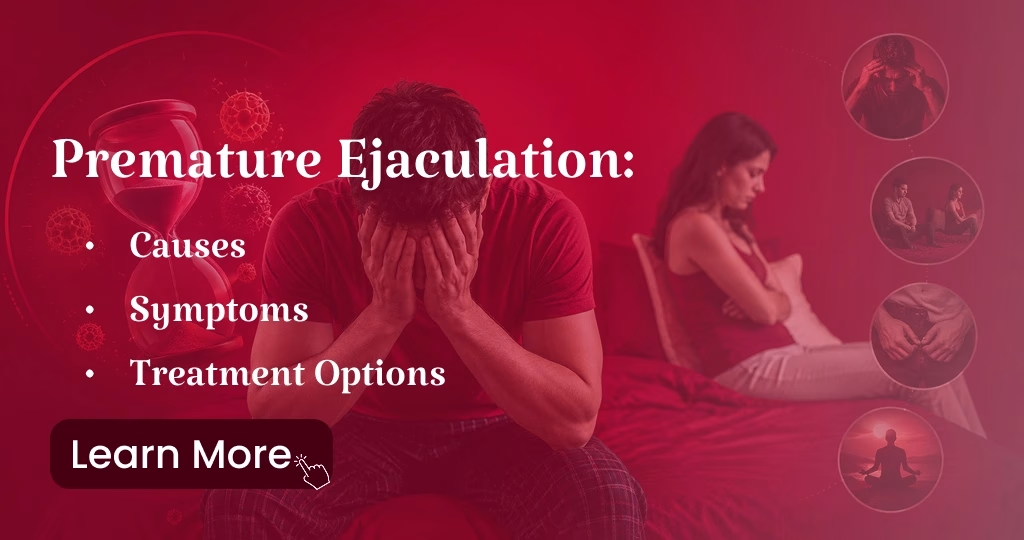
Premature Ejaculation (PE) is one of the most common sexual health concerns in men, yet it remains widely misunderstood. Many men experience early ejaculation at some point in their lives, but when it becomes frequent or uncontrollable, it can affect confidence, relationships, and overall sexual satisfaction.
- What Is Premature Ejaculation?
- Common Symptoms of Premature Ejaculation
- What Causes Premature Ejaculation?
- Treatment Options for Premature Ejaculation
- How to Prevent Premature Ejaculation
- When to See a Doctor
- Conclusion
- FAQS
- Is premature ejaculation a permanent condition?
- How common is premature ejaculation in men?
- Can anxiety alone cause premature ejaculation?
- Can premature ejaculation improve naturally without medication?
- Can erectile dysfunction cause premature ejaculation?
- Does masturbation frequency affect premature ejaculation?
- Can premature ejaculation return after treatment?
The good news is that premature ejaculation is treatable and, in many cases, manageable with the right approach. Understanding its causes, recognizing symptoms early, and choosing suitable treatment options can help men regain control and enjoy healthier intimate relationships.
What Is Premature Ejaculation?
Premature Ejaculation occurs when a man ejaculates sooner than desired during sexual activity, often before or shortly after penetration, with little or no control.
There is no fixed “normal” time for ejaculation. However, PE is commonly identified when ejaculation consistently happens within one minute of penetration and causes distress to one or both partners.
PE can be:
- Lifelong (primary)—present since the first sexual experience
- Acquired (secondary)—develops later in life after a period of normal sexual function
Common Symptoms of Premature Ejaculation
The primary symptom of premature ejaculation is a lack of control over ejaculation, but it often comes with emotional and relationship-related effects.
Physical Symptoms
- Ejaculation occurring too quickly during intercourse
- Inability to delay ejaculation despite wanting to
- Ejaculation before penetration in some cases
Emotional and Psychological Symptoms
- Frustration or embarrassment
- Anxiety before or during sexual activity
- Reduced sexual confidence
- Avoidance of intimacy
Relationship Impact
- Dissatisfaction for one or both partners
- Strain in communication
- Emotional distance over time
If these symptoms occur frequently, medical evaluation is recommended.
What Causes Premature Ejaculation?
Premature Ejaculation rarely has a single cause. Instead, it usually develops due to a combination of psychological and physical factors.
Psychological Causes
Mental and emotional factors play a major role in PE.
- Performance anxiety
- Stress or depression
- Relationship conflicts
- Past negative sexual experiences
- Fear of losing an erection
Anxiety often creates a cycle where fear of early ejaculation leads to even less control.
Biological Causes
Some physical factors can also trigger PE:
- Low levels of serotonin (a brain chemical linked to ejaculation control)
- Hormonal imbalances
- Increased sensitivity of penile nerves
- Genetic predisposition
Erectile Dysfunction (ED)
Men with erectile dysfunction may rush intercourse due to fear of losing an erection, which can result in early ejaculation. PE and ED often occur together and should be treated simultaneously.
Prostate or Urinary Issues
Conditions like prostatitis (prostate inflammation) or urinary tract infections can interfere with ejaculation control and trigger PE.
Treatment Options for Premature Ejaculation
The right treatment depends on the cause and severity of PE. Most men respond well to a combination of behavioral techniques, medical treatment, and lifestyle changes.
1. Behavioral Techniques (First-Line Treatment)
Start-Stop Method
This technique involves stimulating the penis until nearing ejaculation, stopping stimulation, then restarting once arousal decreases. Over time, it helps improve control.
Squeeze Technique
Gentle pressure applied to the base or tip of the penis before ejaculation can reduce arousal and delay climax.
Masturbation Before Intercourse
Ejaculating earlier in the day may increase the refractory period and delay ejaculation during intercourse.
2. Lifestyle Changes
- Regular exercise
- Stress reduction through meditation or yoga
- Limiting alcohol intake
- Quitting smoking
- Getting adequate sleep
Healthy habits improve overall sexual performance and stamina.
3. Medical Treatments
Oral Medications
Doctors may prescribe SSRIs (selective serotonin reuptake inhibitors) off-label to delay ejaculation.
In some cases, ED medications like Sildenafil may help when PE is linked to erectile issues.
Topical Anesthetics
Numbing creams or sprays containing lidocaine or prilocaine reduce sensitivity and help delay ejaculation. Proper use is essential to avoid reduced pleasure.
4. Counseling and Sex Therapy
If anxiety, stress, or relationship issues contribute to PE, therapy can be highly effective. A trained therapist helps improve communication, confidence, and sexual control.
5. Surgical Treatment (Rare)
Surgery is rarely recommended and only considered when all other treatments fail. It involves altering nerve sensitivity and carries risks; therefore, it is not commonly recommended.
How to Prevent Premature Ejaculation
While not always preventable, the risk of PE can be reduced by:
- Strengthening pelvic floor muscles (Kegel exercises)
- Managing stress and anxiety
- Maintaining open communication with your partner
- Treating underlying medical conditions early
Consistency and patience are key to long-term improvement.
When to See a Doctor
You should consult a healthcare provider if:
- PE happens frequently
- It causes distress or relationship issues
- It appears suddenly later in life
- It occurs alongside erectile problems
Professional guidance ensures safe and effective treatment.
Conclusion
Premature Ejaculation is a common but manageable condition. Whether caused by psychological stress, biological factors, or lifestyle habits, effective solutions are available. With the right combination of behavioral techniques, medical support, and healthy lifestyle changes, men can regain control over ejaculation and improve their sexual confidence.
The most important step is seeking help without hesitation. Addressing PE early leads to better outcomes, stronger relationships, and a more satisfying intimate life.
FAQS
Is premature ejaculation a permanent condition?
No, premature ejaculation is not permanent for most men. With proper treatment, lifestyle changes, and stress management, many men regain control over time.
How common is premature ejaculation in men?
Premature ejaculation is very common and affects nearly 1 in 3 men at some stage in life, either occasionally or on a regular basis.
Can anxiety alone cause premature ejaculation?
Yes, anxiety is one of the leading causes. Performance pressure and fear of failure can trigger early ejaculation even in physically healthy men.
Can premature ejaculation improve naturally without medication?
Yes, mild cases often improve with behavioral techniques, stress reduction, better communication with a partner, and lifestyle changes.
Can erectile dysfunction cause premature ejaculation?
Yes, men with erectile dysfunction may rush intercourse to avoid losing an erection, which can lead to premature ejaculation.
Does masturbation frequency affect premature ejaculation?
Infrequent ejaculation may increase sensitivity, while regular masturbation can sometimes help improve ejaculatory control in certain men.
Can premature ejaculation return after treatment?
Yes, symptoms can return if underlying causes like stress, anxiety, or health issues are not properly managed. Ongoing care helps prevent relapse.
References: nhs.uk, clevelandclinic.org